

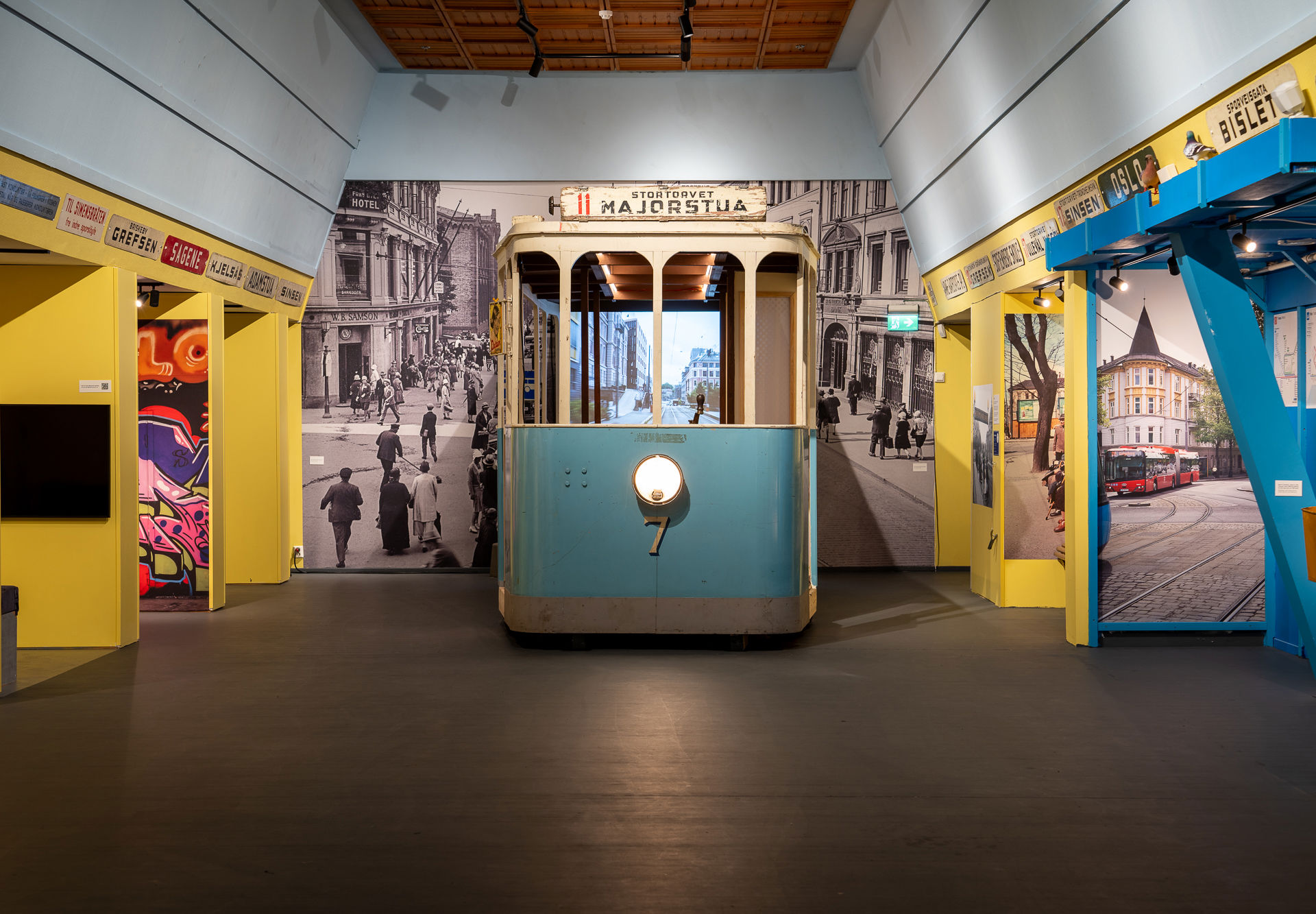
Next stop: Oslo
Museum of Oslo
An exhibition for the whole family. Step inside the big tram model, and explore the city's transport history in a fun and visual way.
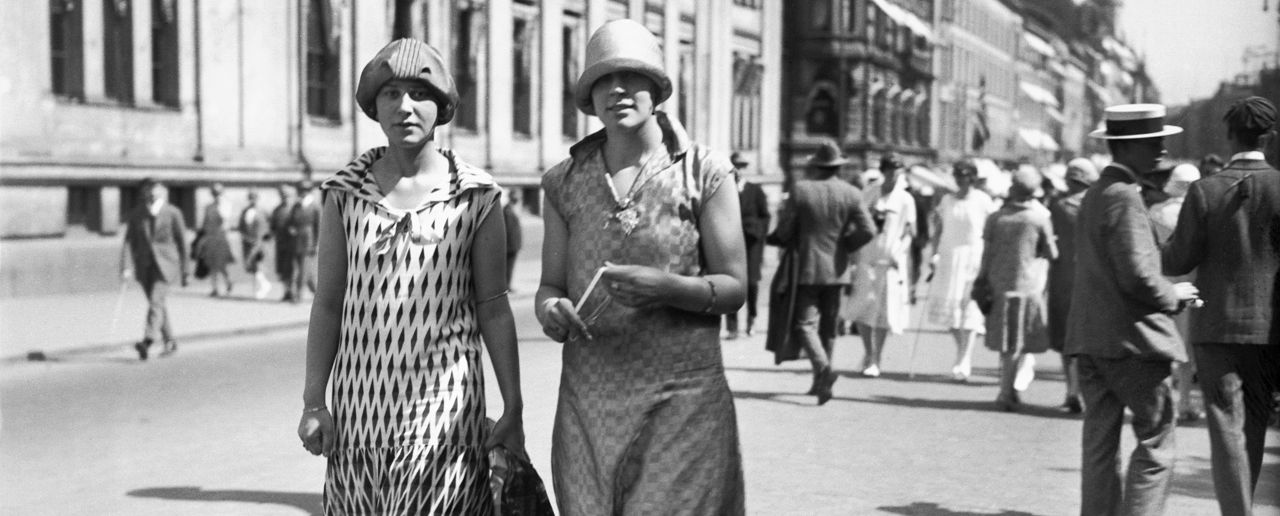
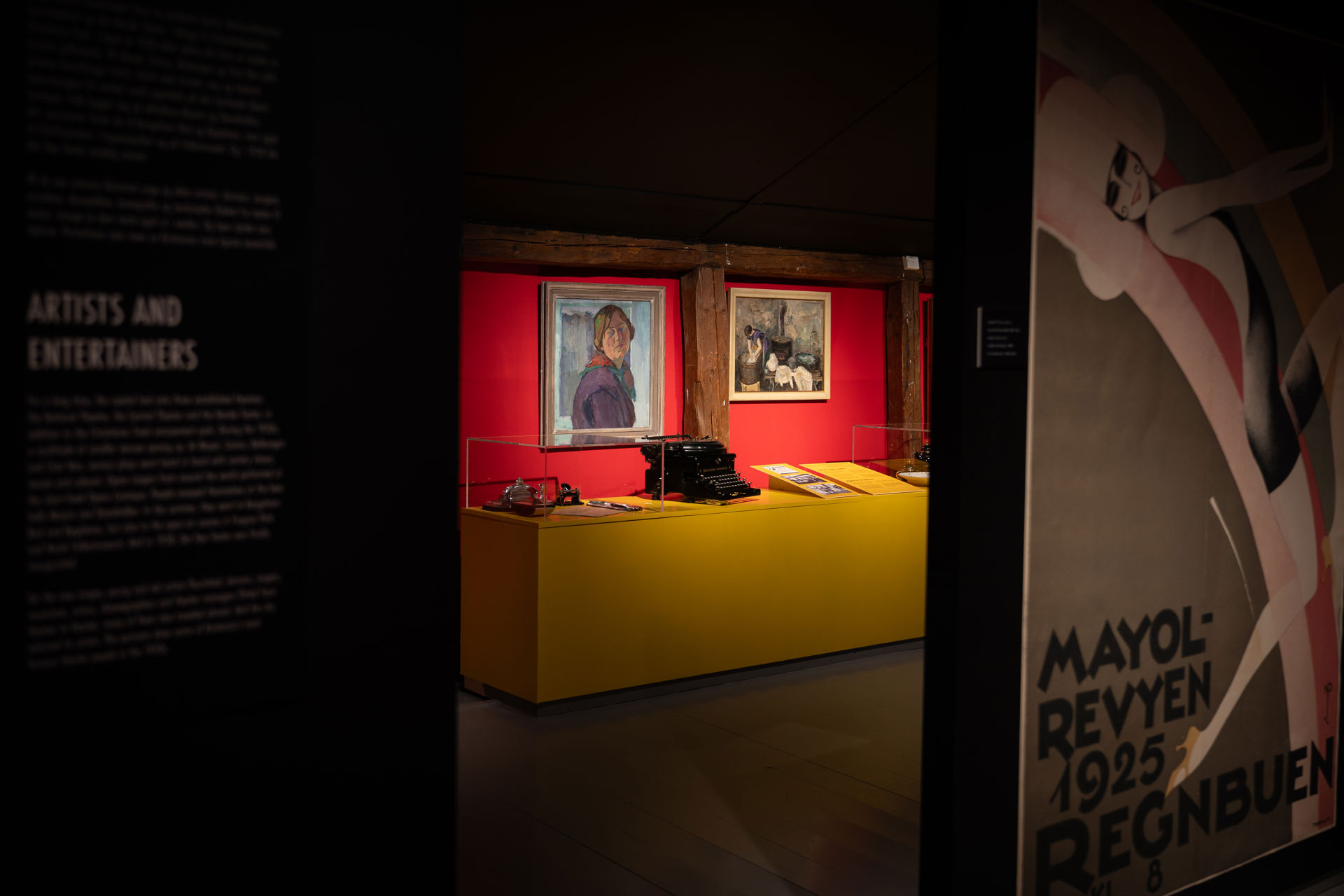
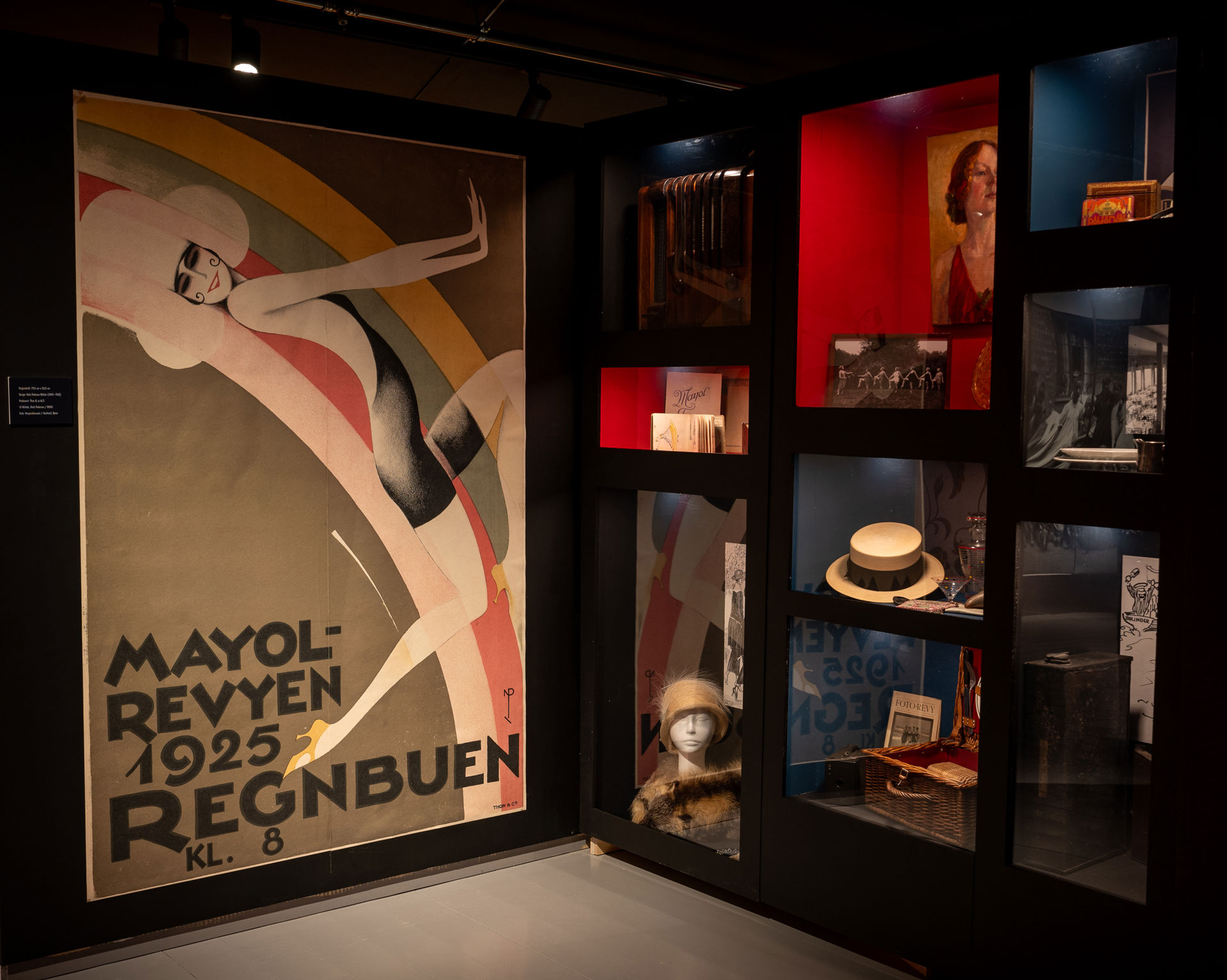
The 1920s were a decade of contradictions: while ‘The Roaring Twenties’ evokes images of jazz, modernity, and liberation, it was also marked by social inequality, poor housing, political strife, and economic instability.
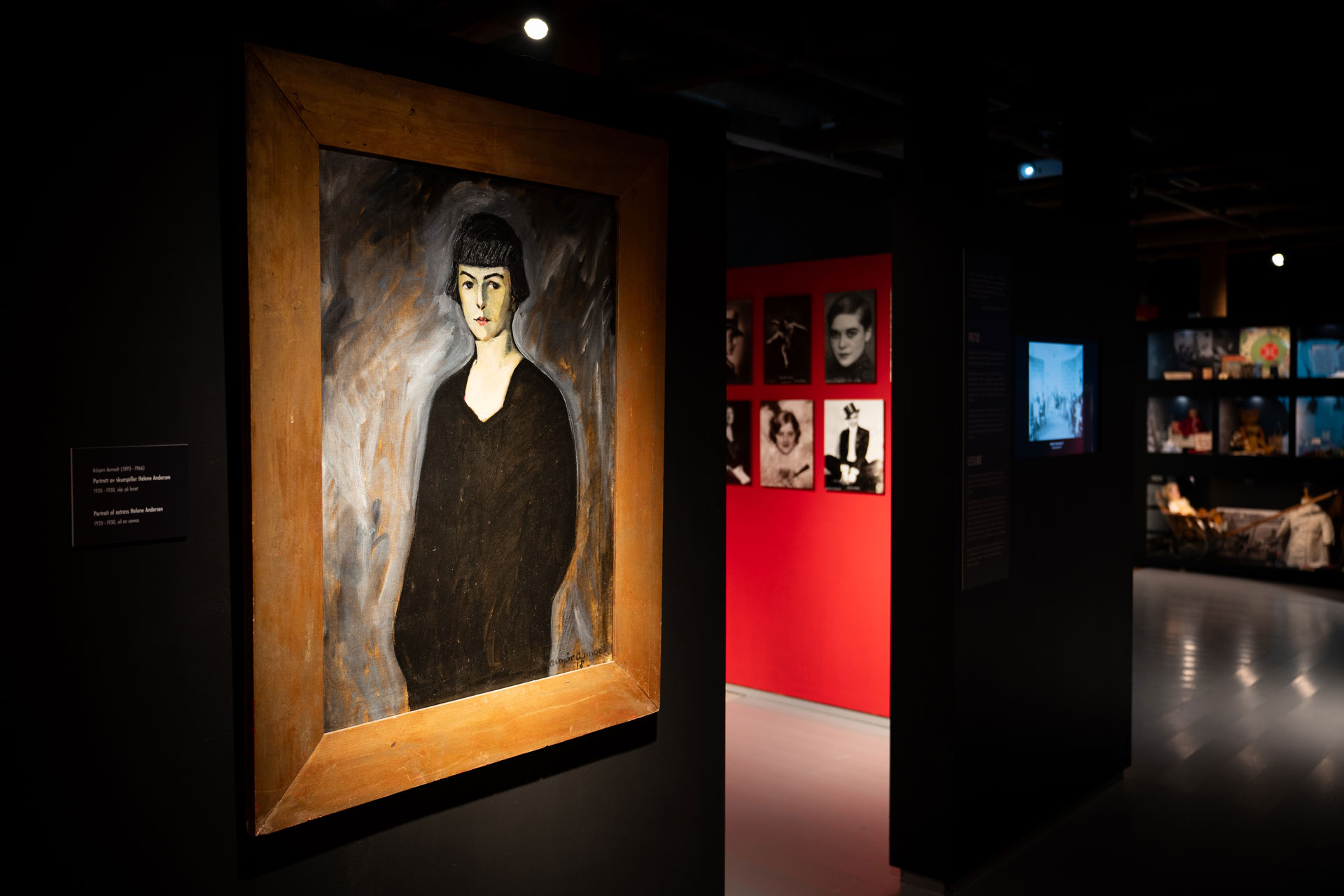
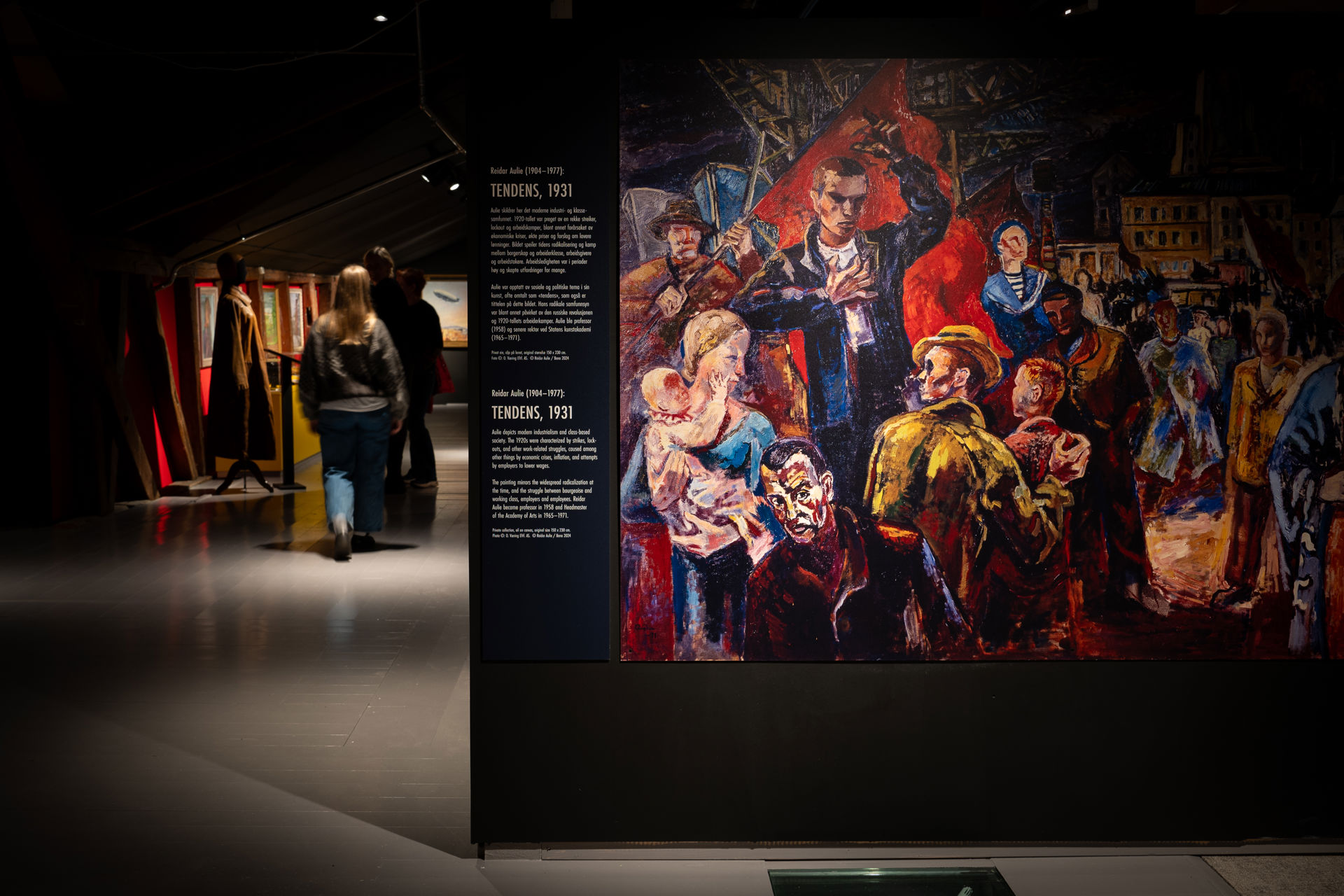
The 1920s were a decade coined by contradictions. Many of us associate ‘The Roaring Twenties’ with technological innovation, jazz, dance, modern architecture, cocktail parties, racing cars, and women’s liberation. On the other hand, it was also a decade of great social inequality, poor housing conditions, political strife, and dramatic fluctuations in the economy.
The exhibition offers some glances into this complex decade and how it played out in Oslo or ‘Kristiania’, as the city was called during the first half of the decade. What did the city look like back then? How did people live? Where did they work? What did they do in their spare time? How did they dress? What novelties did the 1920s bring to our city?




Tuesday and Wednesday: 11am–4pm
Thursday: 11am–6pm
Friday, Saturday and Sunday: 11am–4pm
Adults: NOK 130,-
Students: NOK 65,-
Children and youth (under 26): Free admission
Free admission for everyone on the first Thursday of the month.
Tickets include entrance to the Museum of Oslo and the Theatre Museum.
Address: Halvdan Svartes gate 58, 0266 Oslo
Take tram 12 or bus 20 to Frogner plass, or all subway lines to Majorstuen
Wifi
Free wifi available to all guests.
Audio guide
Download our free audio guide in the app “Useeum”. Feel free to bring your own headphones.
Cloakroom
A cloakroom with lockers for coats, bags and other belongings is available to guests.
Accessibility
The museum and the exhibitions are accessible through elevator and/or step-free access. Wheelchairs are available to borrow during your visit.
From 12 January 2026, renovation work will begin on the toilets in the visitor centre. Renovation work will take place in January, February, and parts of March. During this period, visitors are asked to use the toilets at Herregårdskroen. Unfortunately, there will be no wheelchair-accessible toilet available while the work is ongoing. New restrooms will open in week 13.
Babies and small children
Strollers can be parked in the courtyard outside the museum entrance. Baby changing facilities are available. Strollers for use in the exhibition can be borrowed during your visit.
An exhibition for the whole family. Step inside the big tram model, and explore the city's transport history in a fun and visual way.
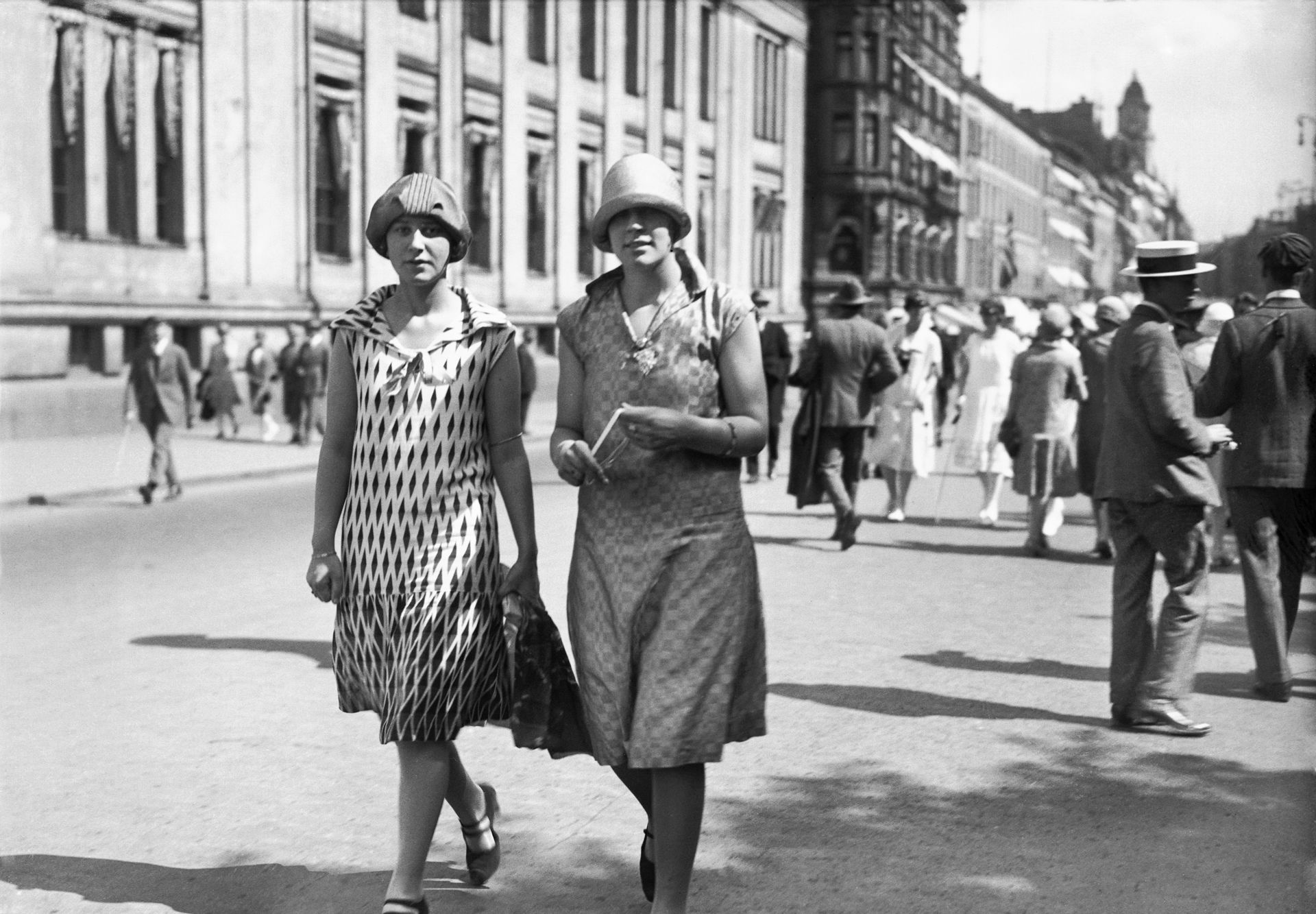
Life in Oslo in the 1920s: technological innovation, jazz, dance, and women’s liberation – but also social inequality, poor housing conditions, and political strife.
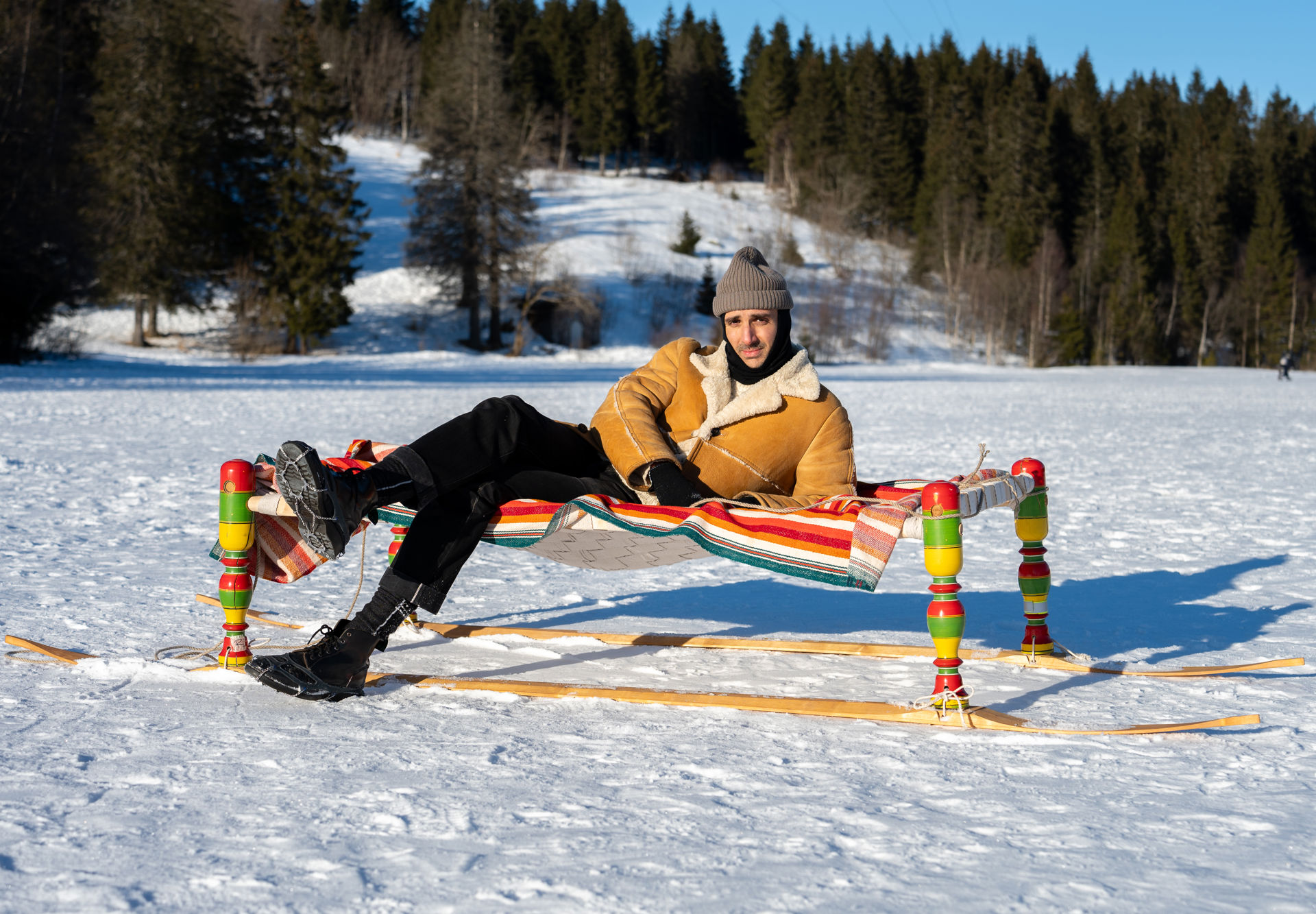
We are developing the ultimate new charpai sled – a hybrid between a Pakistani daybed and a Norwegian ski sled.