



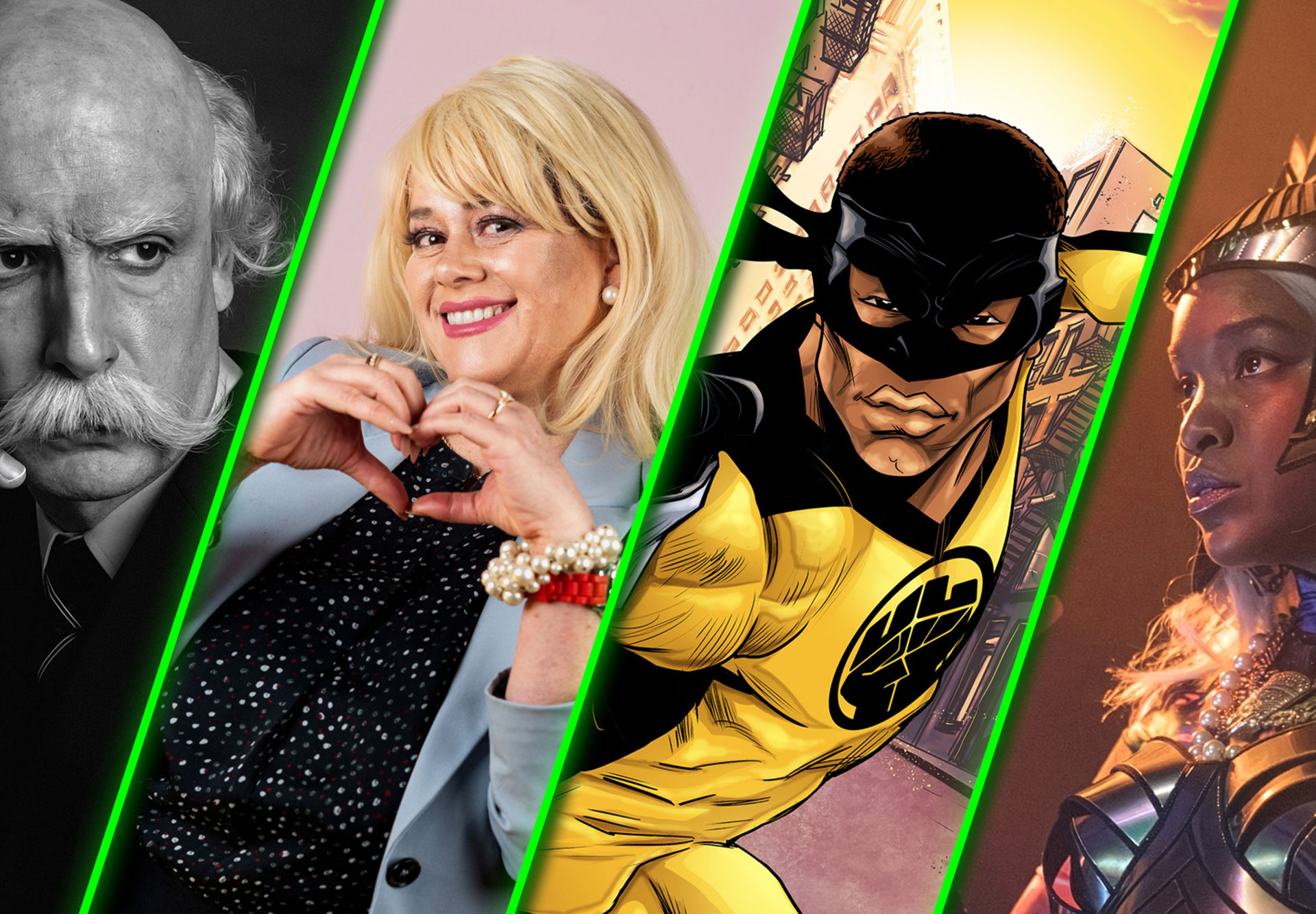
The Alter Egos
Intercultural Museum
Hasansen, Kari Max, The Urban Legend and Shasta Geaux Pop meet in a fictional world to discuss the city's urban development.
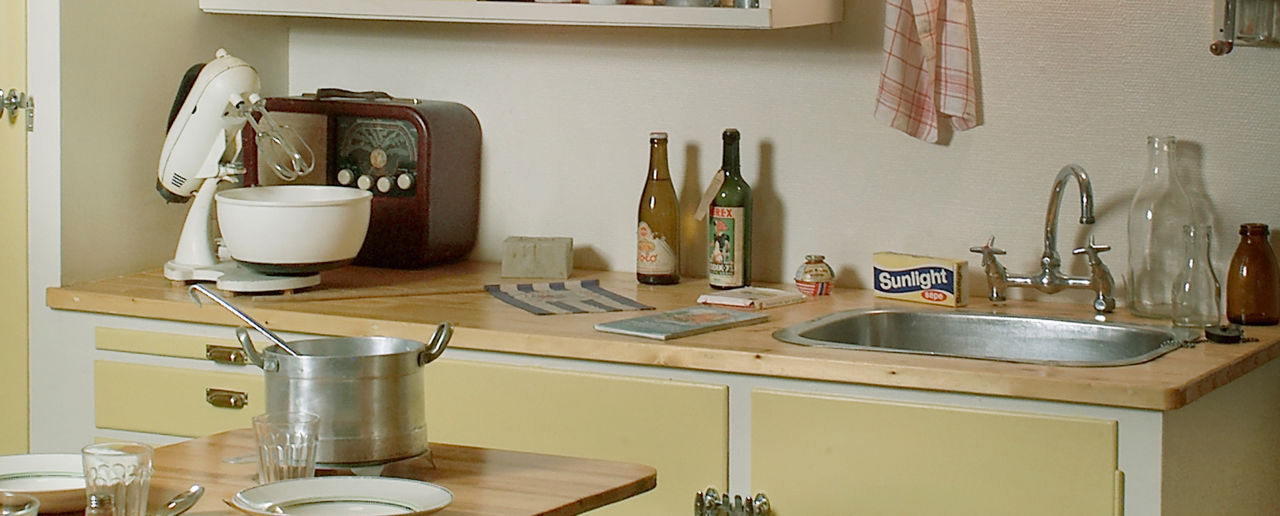
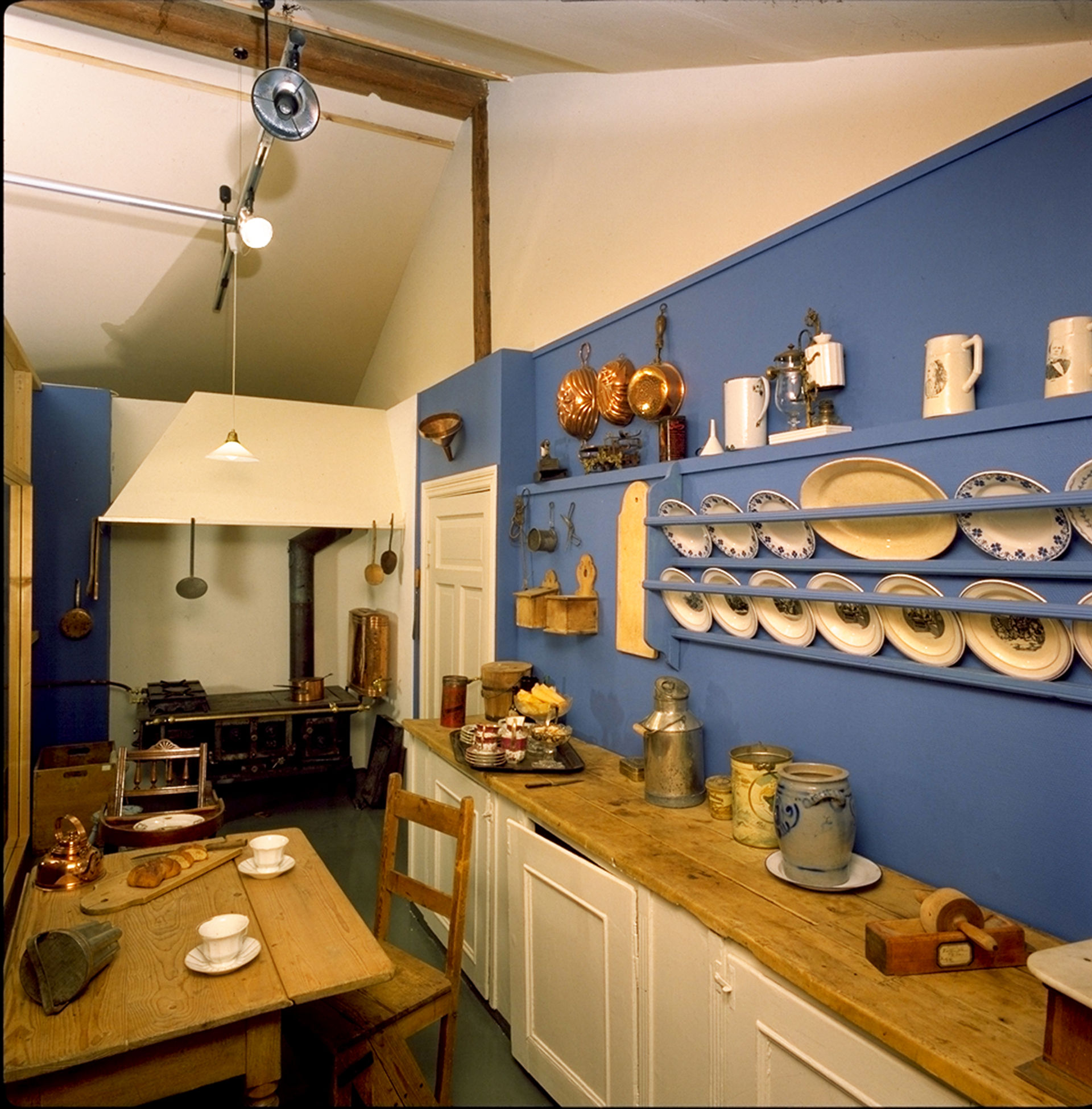
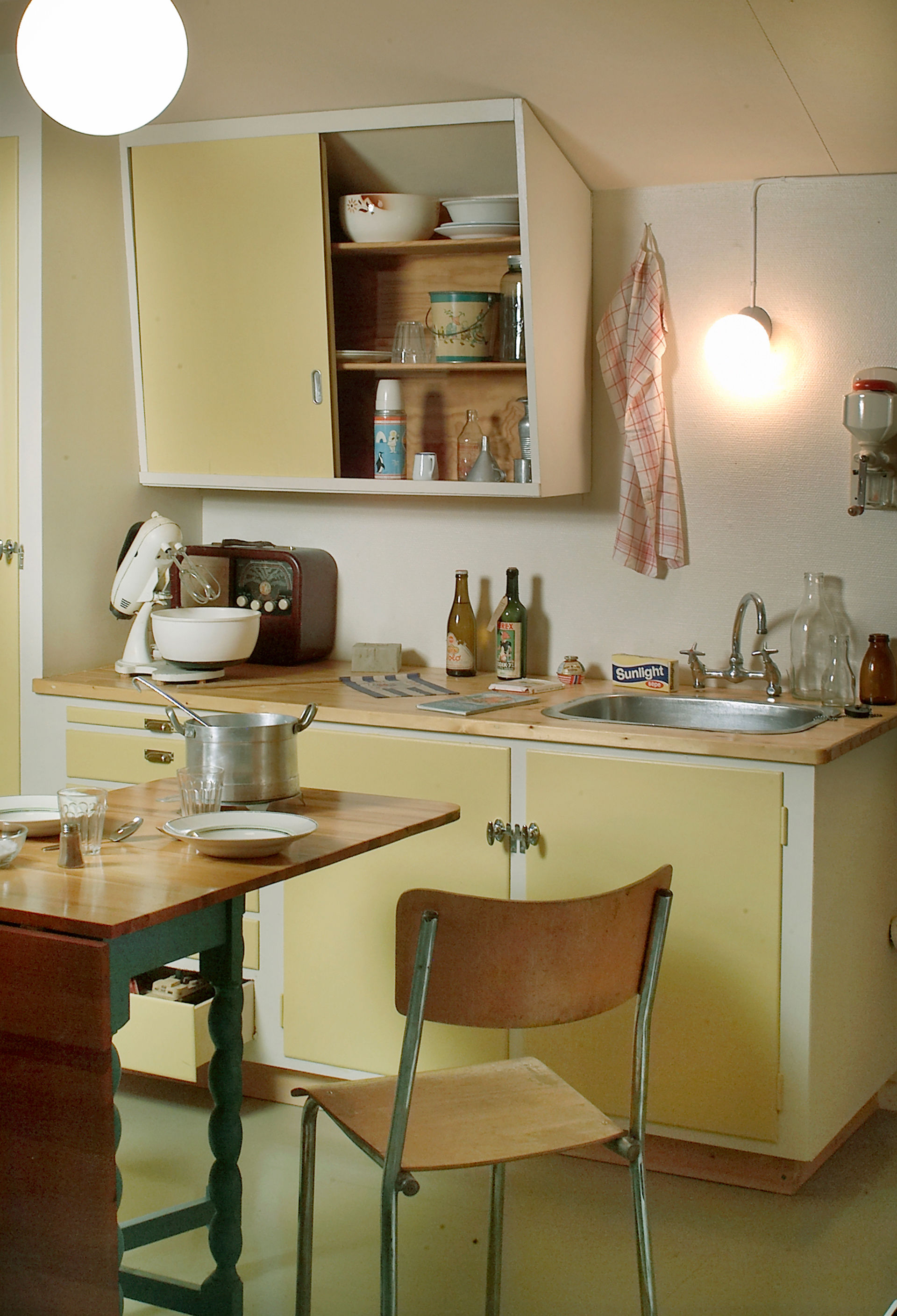
What did Grandma’s kitchen look like? Do you recognize details from the 1950’s kitchen? See five different kitchens from the Middle Ages to 1950.
The kitchen is the room that has changed the most throughout history. The development of technical aids has revolutionized the kitchen over the past two hundred years.
In this exhibition, you can see five different kitchens from the Middle Ages to 1950. Do you recognize details from you own or other people’s kitchens?
Tuesday and Wednesday: 11:00–16:00
Thursday: 11:00–18:00
Friday, Saturday and Sunday: 11:00–16:00
Adults: NOK 130,-
Students: NOK 65,-
Children and youth (under 26): Free admission
Free admission for everyone on the first Thursday of the month.
Tickets include entrance to the Museum of Oslo and the Theatre Museum.
Address: Halvdan Svartes gate 58, 0266 Oslo
Take tram 12 or 15 or bus 20 to Frogner plass, or all subway lines to Majorstuen
Wifi
Free wifi available to all guests.
Audio guide
Download our free audio guide in the app “Useeum”. Feel free to bring your own headphones.
Cloakroom
A cloakroom with lockers for coats, bags and other belongings is available to guests.
Accessibility
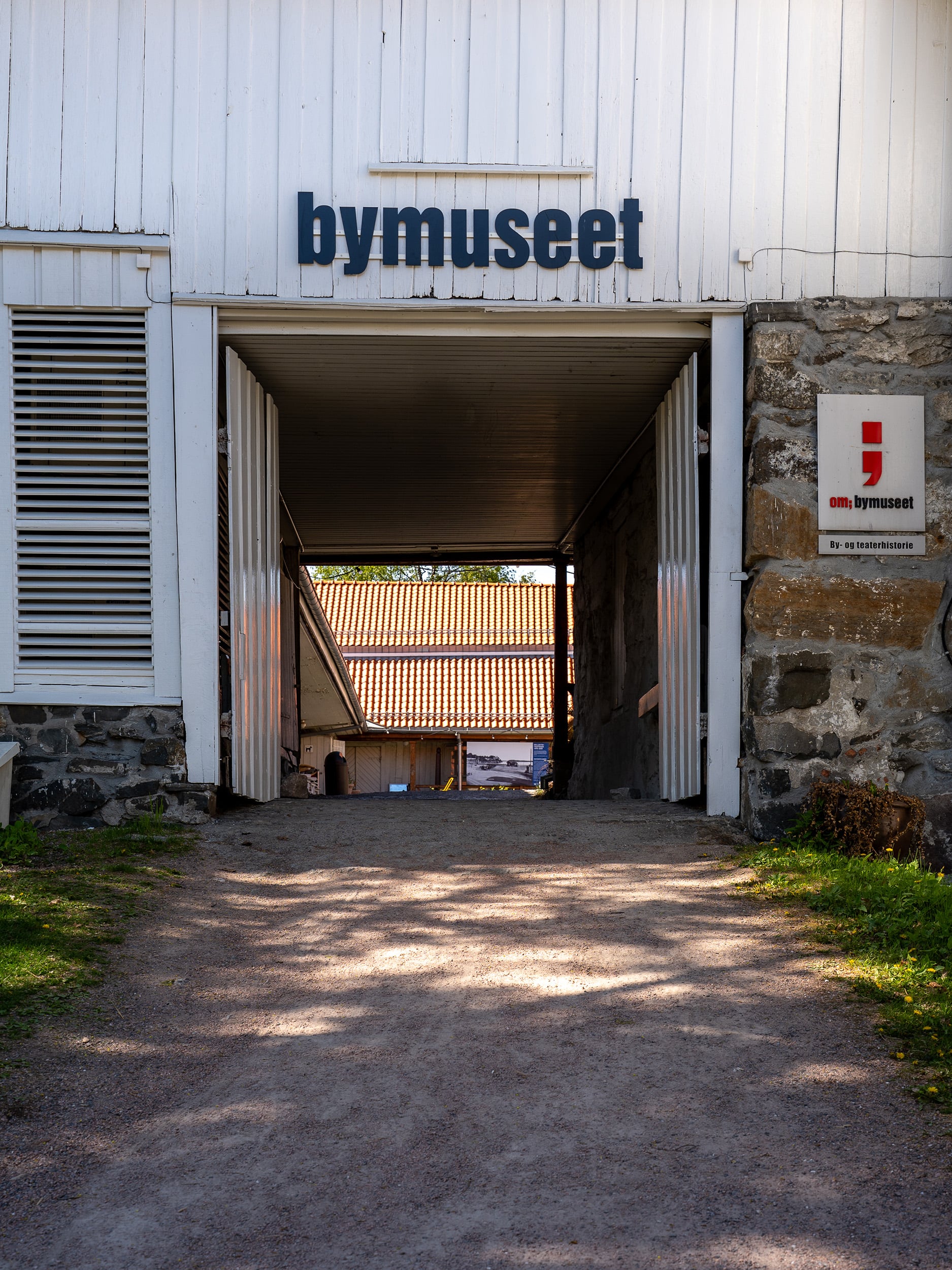
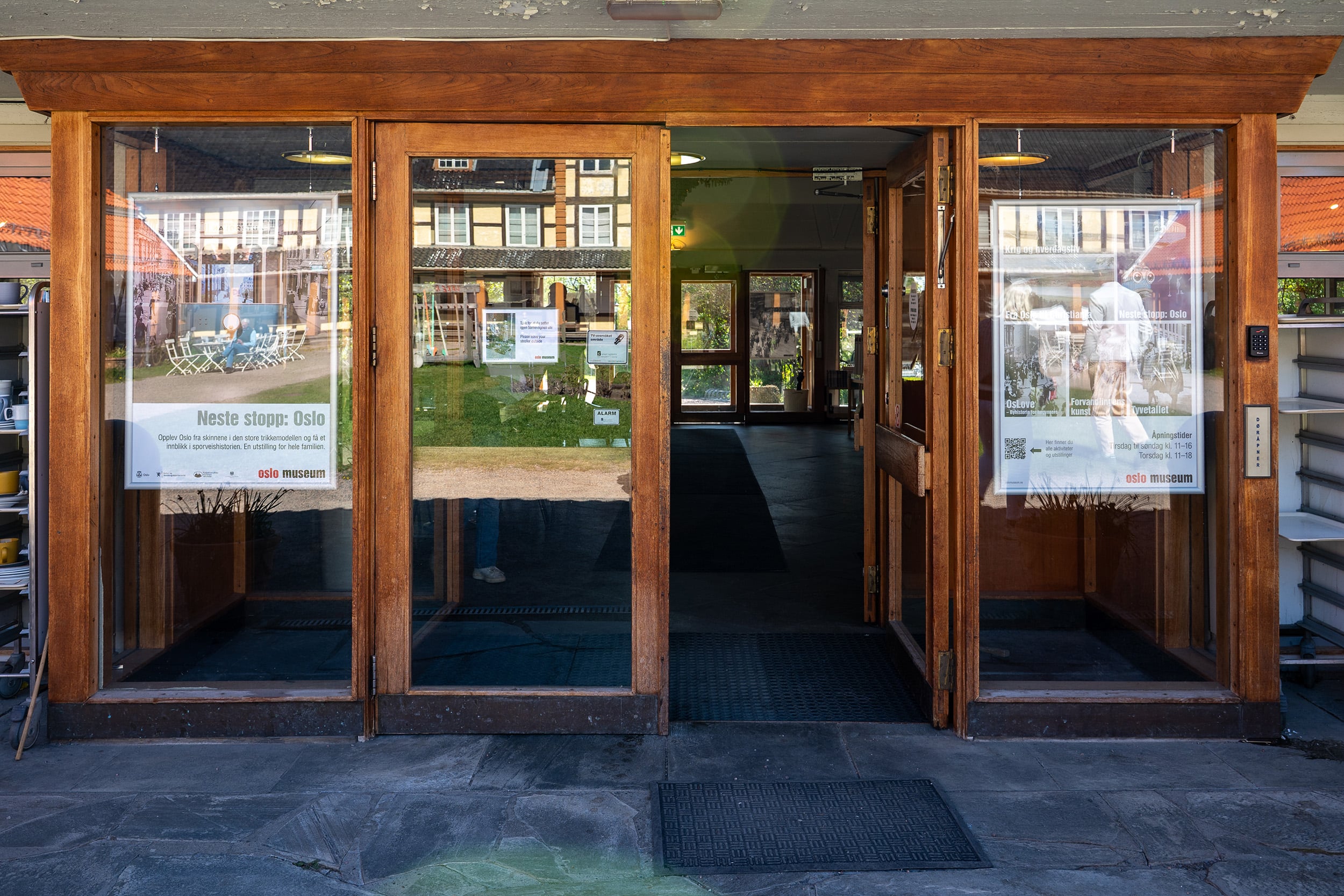
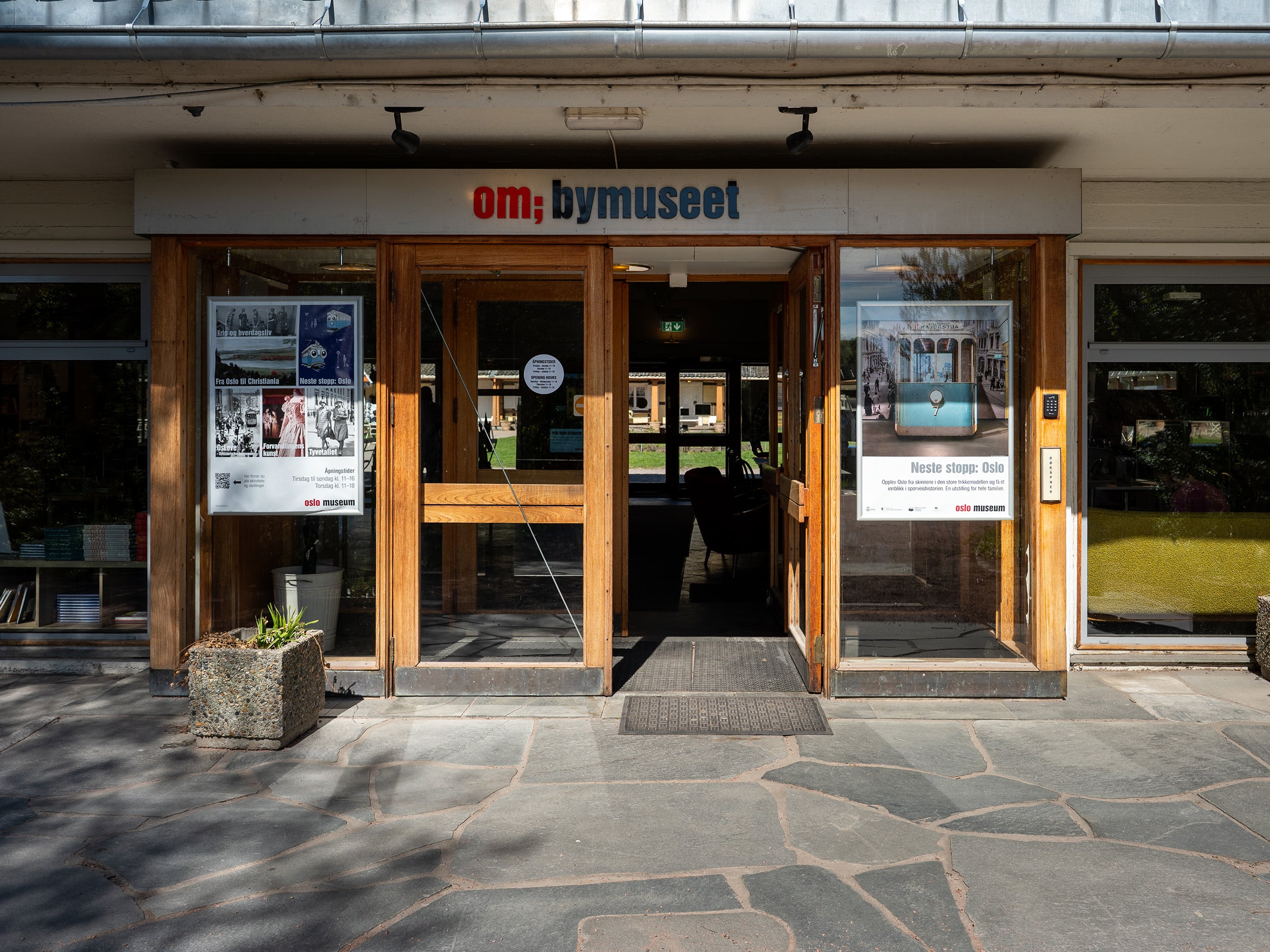
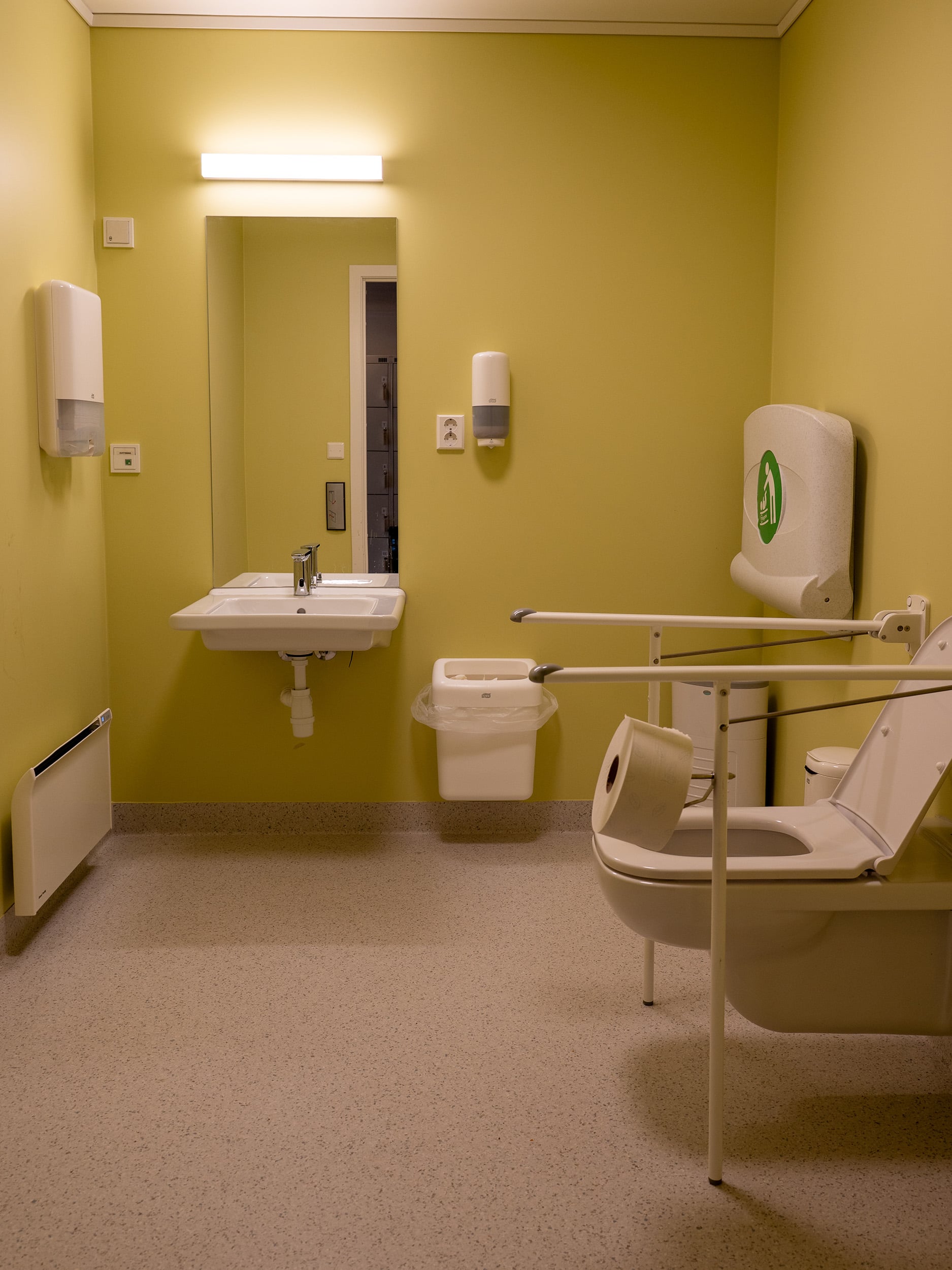
The museum and the exhibitions are accessible through elevator and/or step-free access. Accessible toilet available. Wheelchairs are available to borrow during your visit.
Babies and small children
Strollers can be parked in the courtyard outside the museum entrance. Baby changing facilities are available. Strollers for use in the exhibition can be borrowed during your visit.
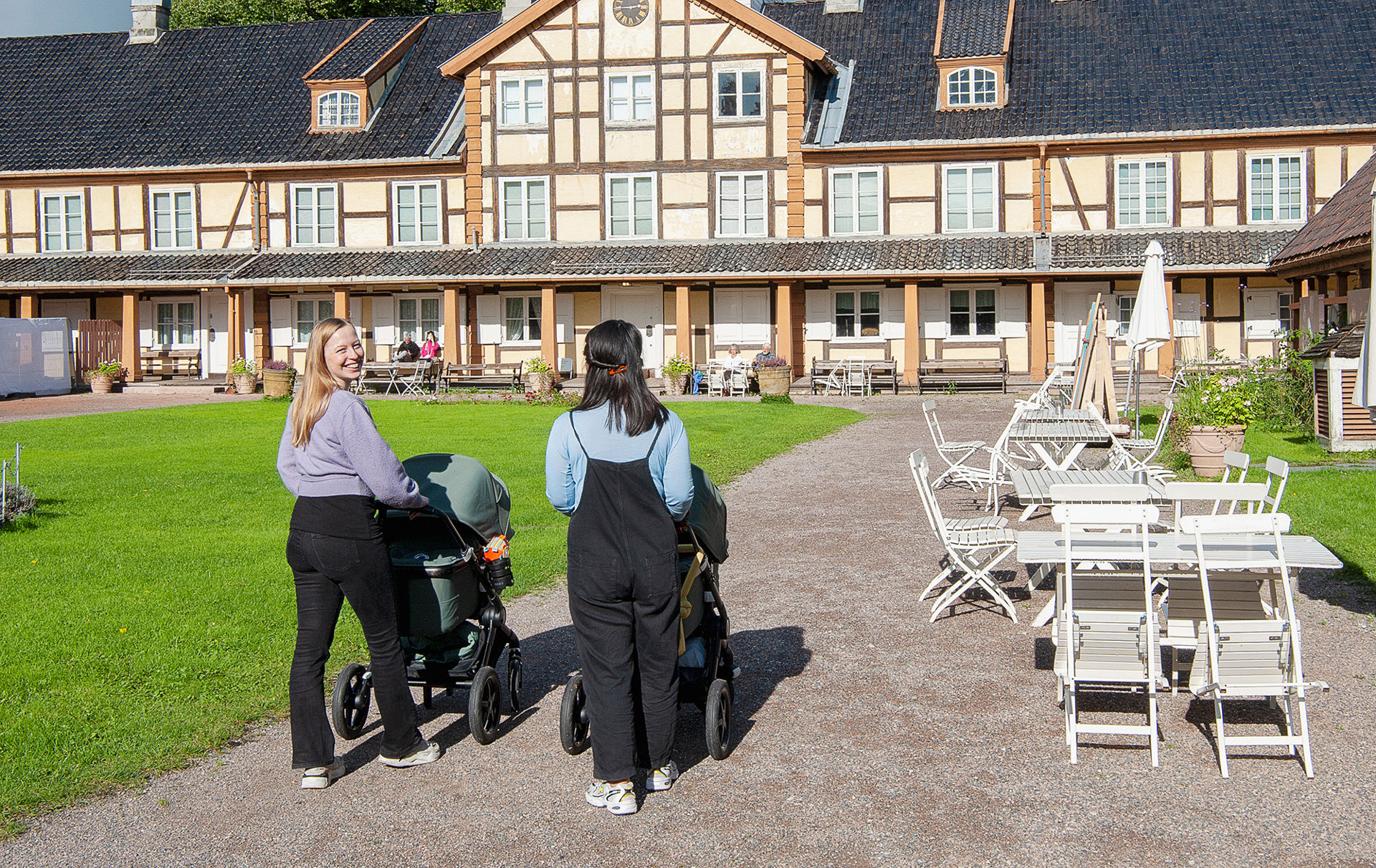
The Museum of Oslo is beautifully located at Frogner Manor in the Frogner park, together with the Theatre Museum. Here, you can familiarize yourself with the history behind today’s diverse city. Experience a variation of exhibitions about Oslo’s history, urban development, the city’s inhabitants, and current issues facing the Oslo of today.
You can also visit our pleasant café and gift shop.
Hasansen, Kari Max, The Urban Legend and Shasta Geaux Pop meet in a fictional world to discuss the city's urban development.
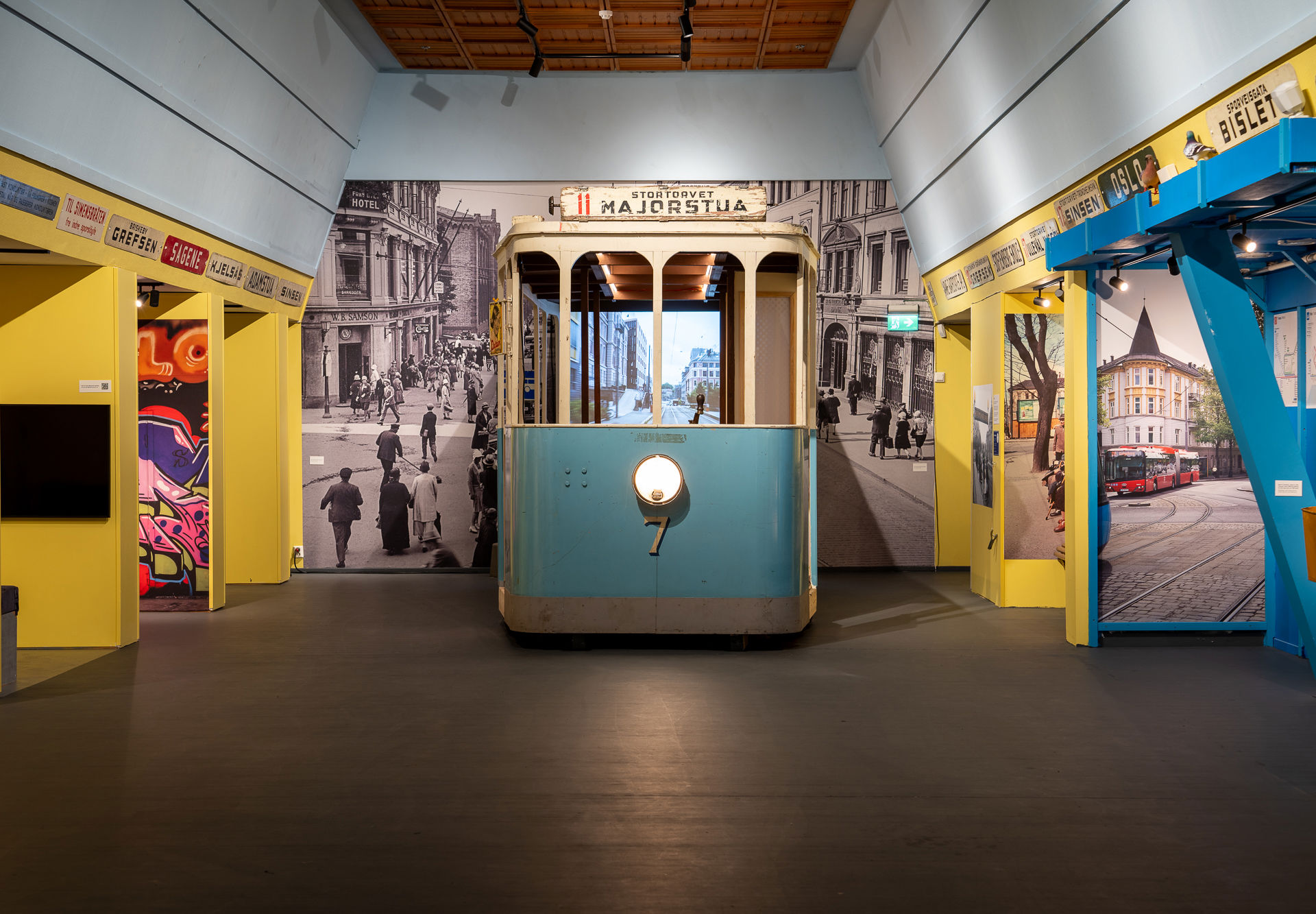
An exhibition for the whole family. Step inside the big tram model, and explore the city's transport history in a fun and visual way.
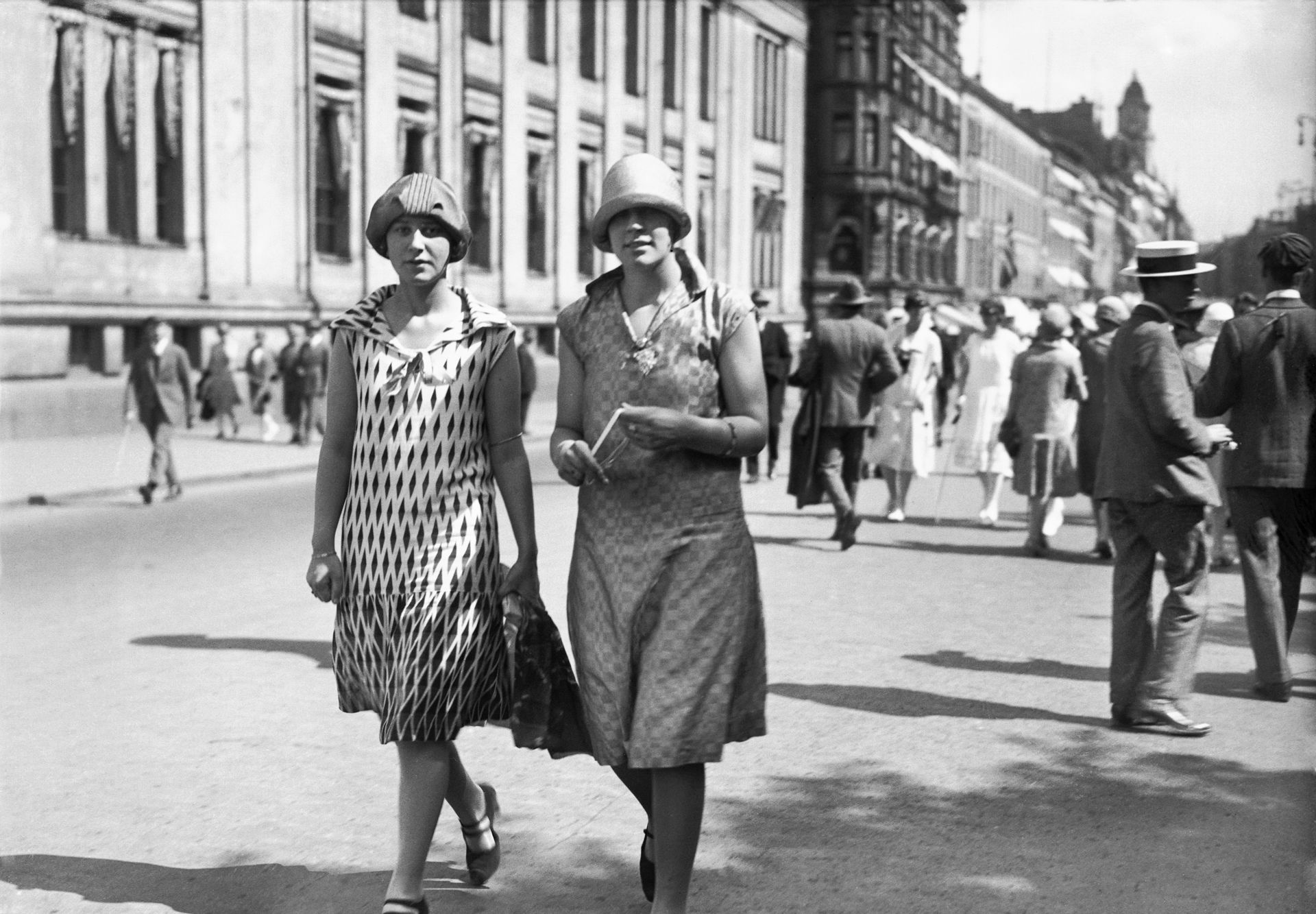
Life in Oslo in the 1920s: technological innovation, jazz, dance, and women’s liberation – but also social inequality, poor housing conditions, and political strife.
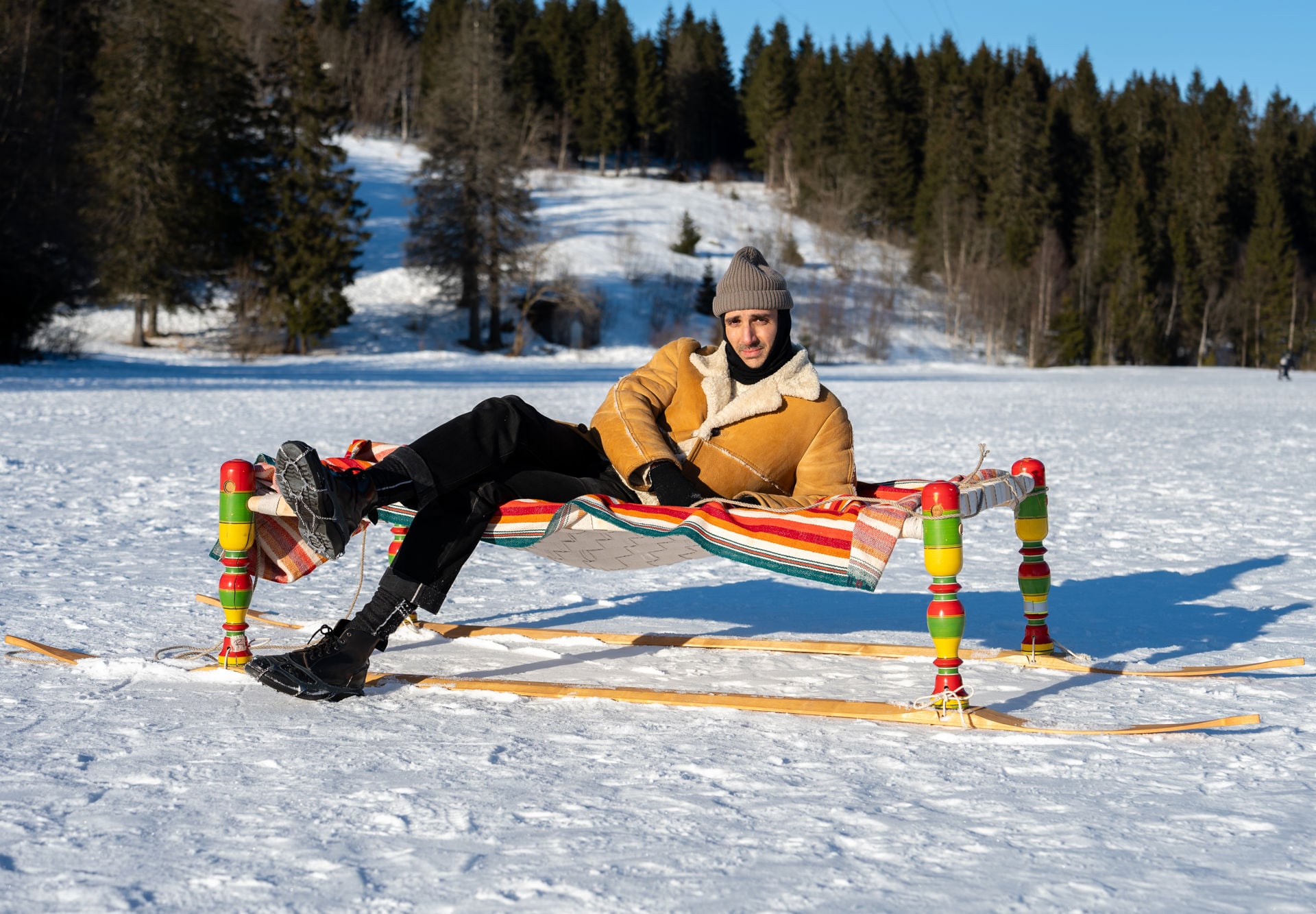
We are developing the ultimate new charpai sled – a hybrid between a Pakistani daybed and a Norwegian ski sled.